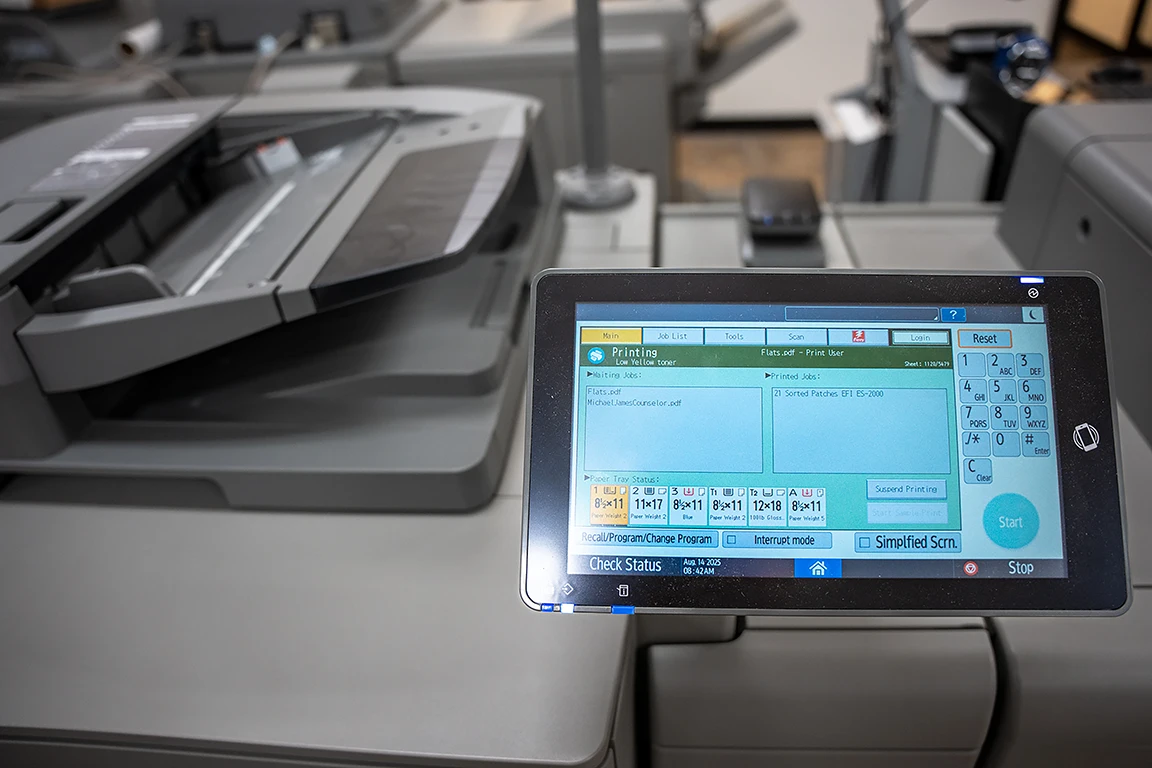
What Is Managed Print? A Complete Guide to Managed Print Services
Print costs are notoriously hard to pin down. Nobody on the leadership team can ever say with confidence what the business is actually spending on

Print costs are notoriously hard to pin down. Nobody on the leadership team can ever say with confidence what the business is actually spending on

The copier salesman promises savings. The IT director warns about hidden costs. Your CFO wants data, not opinions. Managed print services generate this confusion because
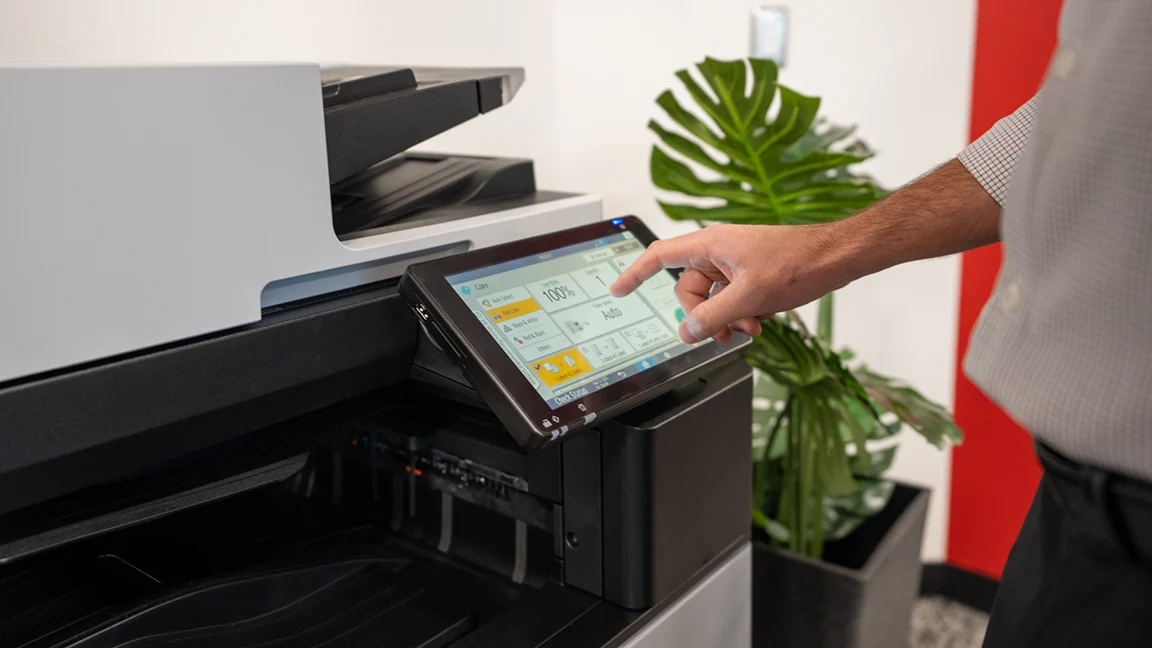
Office paper consumption remains stubbornly high despite decades of predictions about the paperless office. The average office worker uses approximately 10,000 sheets of paper annually,
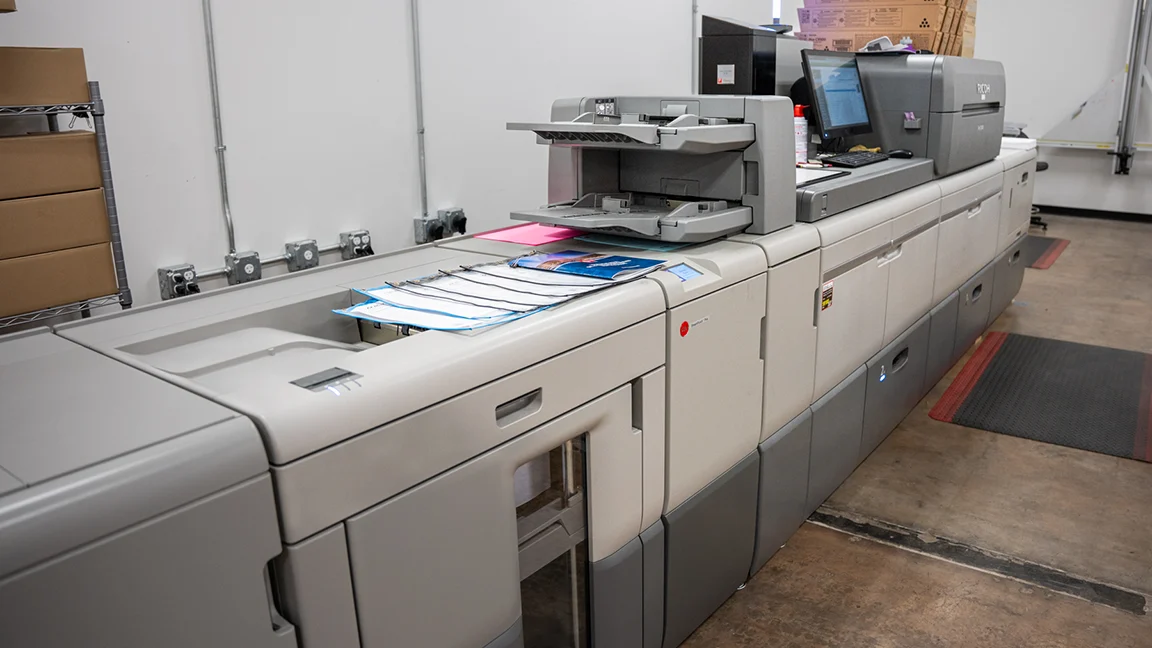
The question of whether multi-functional printers represent the optimal choice for modern offices depends entirely on how your organization actually works. Single-function devices dominated offices
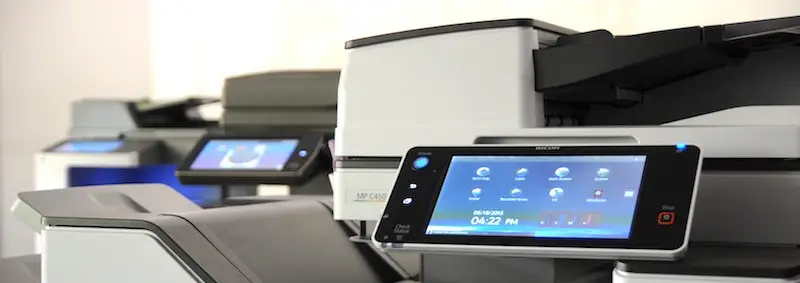
Just like how the electric company needs to read the electric meter on your home, your office technology provider periodically needs to take the meter reading on your copier. Doing so not only helps your copier vendor know how to properly…
Come flu season, cold season, “the crud” or any epidemic, the workplace can be much like schools, churches, restaurants and, well, any place where people gather — it’s an area where disease is transmitted.
It is in those places where the…
From time to time, your Ricoh copier system will request for you to change your consumables and this includes you toner and waste toner bottles.
Here is how to change it…
Pirates these days don’t use words like “ahoy,” avast” and “matey.” They may not clunk around the decks of wooden tall ships on peg legs, wear eye patches, recite the pirate code or host colorful, talking, feathered creatures on their shoulders…
It’s time to talk about your printing environment. Whether you are a grade school or a university, you know the challenges of maintaining your printers, keeping them supplied, preventing waste and doing all of this within a budget.
It means…
Too many organizations, especially smaller cash-strapped ones, understandably shy of contracts and spending hard-to-get funds, think they are saving money by purchasing cheap desktop printers at big-box stores…

Cyber threats have moved from “if” to “when” for businesses of every size. Attackers scanning networks for weak spots don’t discriminate by industry, revenue, or headcount — they’re looking for vulnerabilities, and any business connected to the internet ends up on someone’s target list eventually. The businesses that recover cleanly

Physical mail hasn’t gone away. Invoices, statements, notices, contracts, appeals, marketing pieces, court filings, patient communications, and regulatory correspondence still move by mail in enormous volumes across every industry. The volume shows up on the operations side as labor, on the postage bill as expense, and on the budget as

Every few months a new headline lands about a firewall breach, and the natural reaction is to ask, “Are we exposed?” The latest one—an exposure researchers are calling FortiBleed—is worth your attention, but not for the reason most coverage suggests. The real story isn’t a single vendor’s stumble. It’s that the legacy VPN
Documents are the connective tissue of every business. Invoices, contracts, HR records, patient charts, client files, board materials, regulatory filings — every department generates them, every process depends on them, and every audit examines them. When the systems managing all that volume break down, the friction touches everything: approvals stall,
Print costs are notoriously hard to pin down. Nobody on the leadership team can ever say with confidence what the business is actually spending on printing each month — and the answer, when somebody finally digs in, is usually far higher than anyone expected. Toner sits unused on shelves while

When IT systems fail, business doesn’t slow down — it stops. Email goes silent. Files become unreachable. Phones drop. Customers wait. Every minute of downtime carries a cost, and every minute of recovery pulls focus away from the work that’s supposed to be happening. Managed IT exists to keep that

Phone systems don’t get a lot of attention until they stop working. Then they get everyone’s attention at once. For businesses still running aging phone infrastructure — or cobbling together communication tools that were never designed to work together — the cost of inaction shows up in dropped calls, missed

Cybersecurity conversations have a way of generating more jargon than clarity. Two terms that appear constantly — microsegmentation and zero trust — are frequently treated as interchangeable, occasionally treated as competitors, and almost always underexplained. They’re neither the same thing nor mutually exclusive. Understanding the actual difference between them is

The term gets used constantly, but rarely defined clearly. Professional services show up in contracts, proposals, and vendor conversations — often without much explanation of what actually falls under that label or why it’s priced differently from other work. For businesses evaluating technology partners, understanding the distinction matters more than