
What Is Managed VoIP? A Complete Guide to Services, Benefits, and What’s Included
The business phone system rarely gets attention until it fails — and then it gets all of it at once. A dropped call with a

The business phone system rarely gets attention until it fails — and then it gets all of it at once. A dropped call with a

Phone systems don’t get a lot of attention until they stop working. Then they get everyone’s attention at once. For businesses still running aging phone

An IT help desk is the support function that helps employees resolve technology problems — password resets, software and email issues, connectivity, and hardware failures — through channels like phone, email, chat, and a ticketing portal. End-user support is the broader practice of keeping people productive by resolving their day-to-day
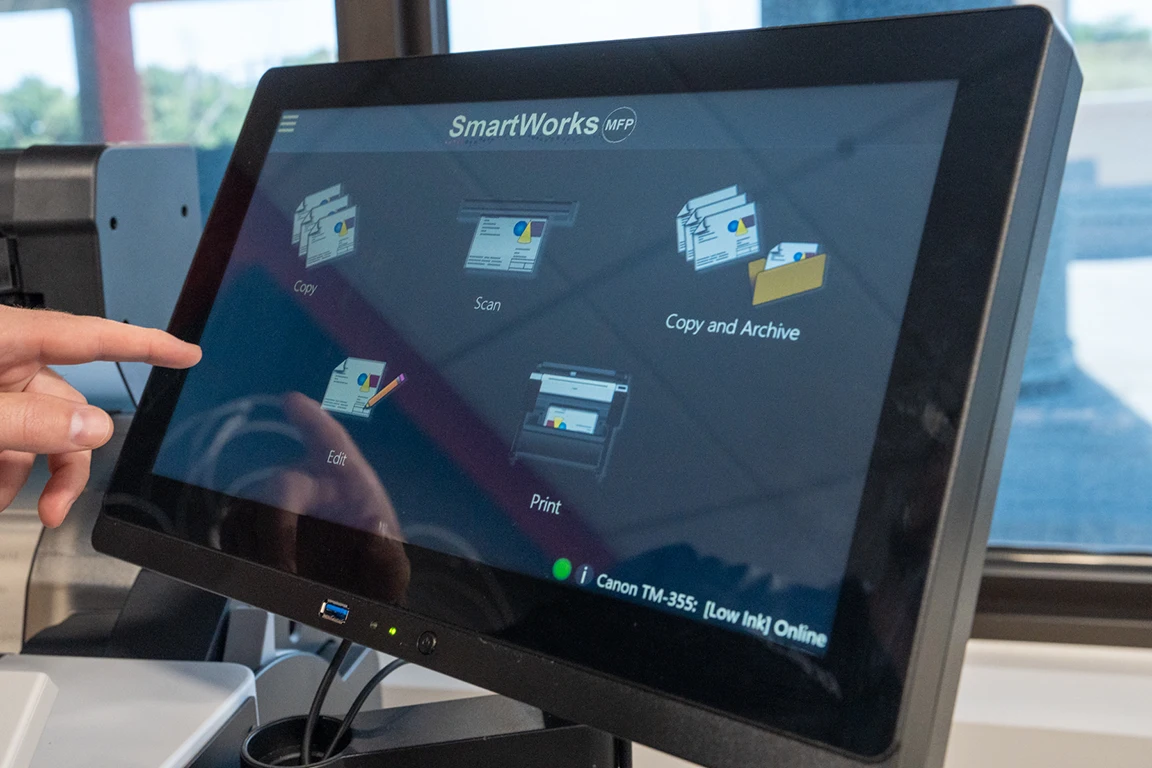
Print security is the practice of protecting printers, multifunction devices, and the documents they handle from unauthorized access, data theft, and network attacks. Modern printers are networked computers with hard drives and their own operating systems — which makes them a genuine attack surface that needs the same protection as

Backup and disaster recovery (BDR) is the combination of two protections: backup, which copies your business data so it can be restored, and disaster recovery, which is the tested plan for getting systems and operations running again after a disruption. Backup protects the data itself. Disaster recovery protects your ability
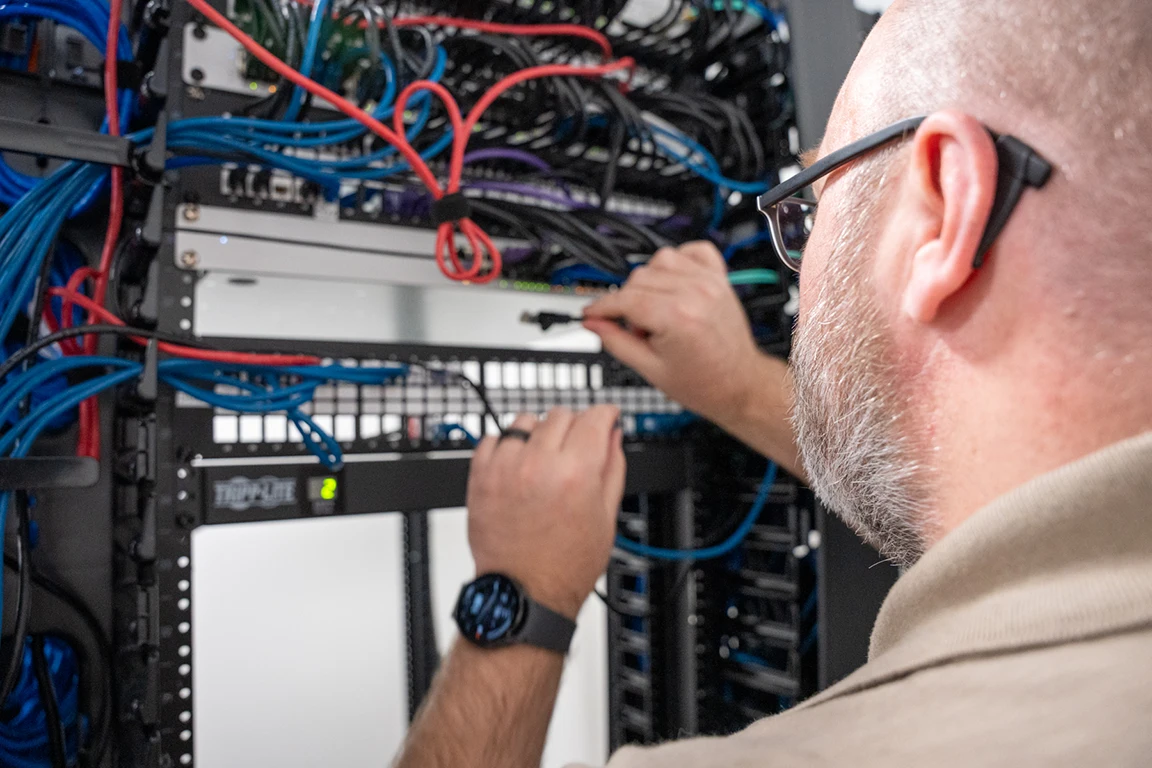
Most business networks run invisibly until the moment they don’t. Files open, email flows, applications respond, and nobody thinks about the routers, switches, and firewalls quietly moving all that traffic — right up until a switch fails, an internet circuit drops, or a misconfigured firewall blocks half the office from
The business phone system rarely gets attention until it fails — and then it gets all of it at once. A dropped call with a major client, a phone tree that routes customers into voicemail purgatory, a new office that can’t get lines installed for weeks: communication problems interrupt revenue

Cyber threats have moved from “if” to “when” for businesses of every size. Attackers scanning networks for weak spots don’t discriminate by industry, revenue, or headcount — they’re looking for vulnerabilities, and any business connected to the internet ends up on someone’s target list eventually. The businesses that recover cleanly

Physical mail hasn’t gone away. Invoices, statements, notices, contracts, appeals, marketing pieces, court filings, patient communications, and regulatory correspondence still move by mail in enormous volumes across every industry. The volume shows up on the operations side as labor, on the postage bill as expense, and on the budget as

Every few months a new headline lands about a firewall breach, and the natural reaction is to ask, “Are we exposed?” The latest one—an exposure researchers are calling FortiBleed—is worth your attention, but not for the reason most coverage suggests. The real story isn’t a single vendor’s stumble. It’s that the legacy VPN
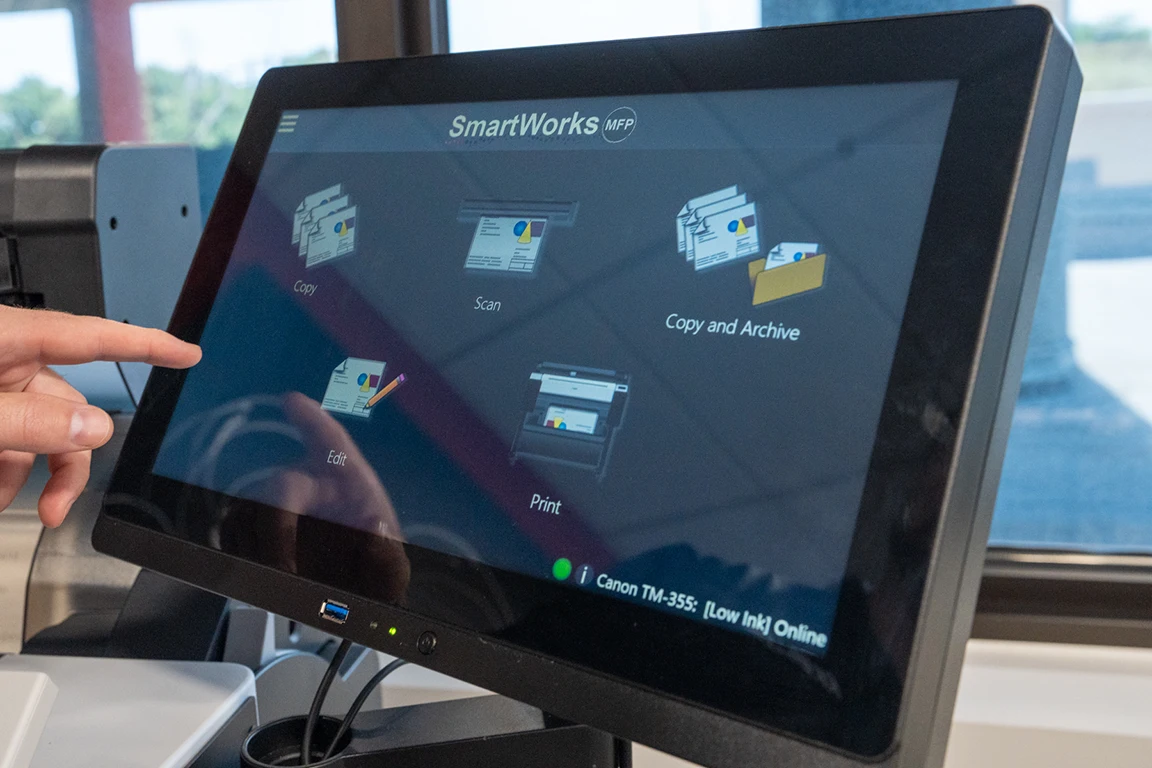
Documents are the connective tissue of every business. Invoices, contracts, HR records, patient charts, client files, board materials, regulatory filings — every department generates them, every process depends on them, and every audit examines them. When the systems managing all that volume break down, the friction touches everything: approvals stall,