
How Hard is it to Implement a Document Management System?
The question comes up during nearly every initial consultation: “How complicated is this going to be?” Business leaders considering a document management system want to

The question comes up during nearly every initial consultation: “How complicated is this going to be?” Business leaders considering a document management system want to
Most of today’s green initiatives within organizations focus on resources, but ignore their greatest resource, their people. Implementing document management…
Document management. By now you’ve probably heard the term, but like many, you may not know what it is other than … well … something dealing with managing documents. Well, it’s actually quite simple. Document management is the use of…

The term gets used constantly, but rarely defined clearly. Professional services show up in contracts, proposals, and vendor conversations — often without much explanation of what actually falls under that label or why it’s priced differently from other work. For businesses evaluating technology partners, understanding the distinction matters more than

Every business sends mail. Invoices, statements, compliance documents, marketing pieces — the volume adds up faster than most teams expect. For organizations still processing outgoing mail by hand, that volume also adds up in labor hours, postage mistakes, and delays that could have been avoided entirely. An automated mailing system

The copier salesman promises savings. The IT director warns about hidden costs. Your CFO wants data, not opinions. Managed print services generate this confusion because the value proposition isn’t immediately obvious. Unlike software subscriptions or equipment purchases, MPS transforms an entire business function most organizations have never properly measured. You
The question comes up during nearly every initial consultation: “How complicated is this going to be?” Business leaders considering a document management system want to know what they’re getting into before committing resources. The honest answer? It depends on factors most organizations don’t consider until they’re already knee-deep in implementation.

Your business runs on data. Customer records, financial information, proprietary research, employee files—all stored on hard drives throughout your organization. But what happens when those drives reach the end of their useful life? Deleting files doesn’t actually erase them. Reformatting creates an illusion of security while leaving data vulnerable to

When technology fails, business stops. That’s especially true when your confidential documents end up in the wrong hands. The hybrid workplace has rewritten the rules of document security, scattering your sensitive information across home offices, corporate locations, cloud platforms, and mobile devices. Each access point represents another potential vulnerability waiting
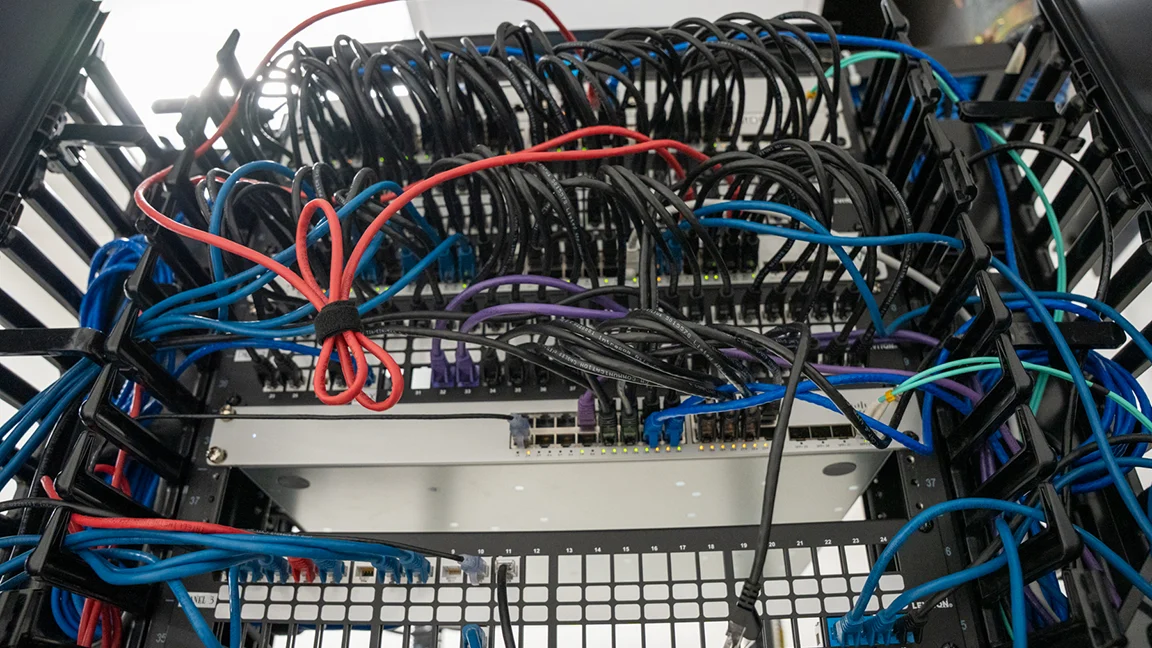
Network infrastructure operates as the circulatory system of modern business operations. Every transaction, communication, and data transfer depends on networks functioning reliably and securely. Yet many organizations approach network monitoring and management reactively, addressing issues only after they disrupt operations. Understanding what are the key considerations for network monitoring and

Your business needs IT expertise, but the path forward isn’t always clear. Two dominant models compete for your attention and budget: staff augmentation and managed services. Each promises to solve your technology challenges, yet they operate from fundamentally different philosophies. The decision between staff augmentation vs managed services shapes more
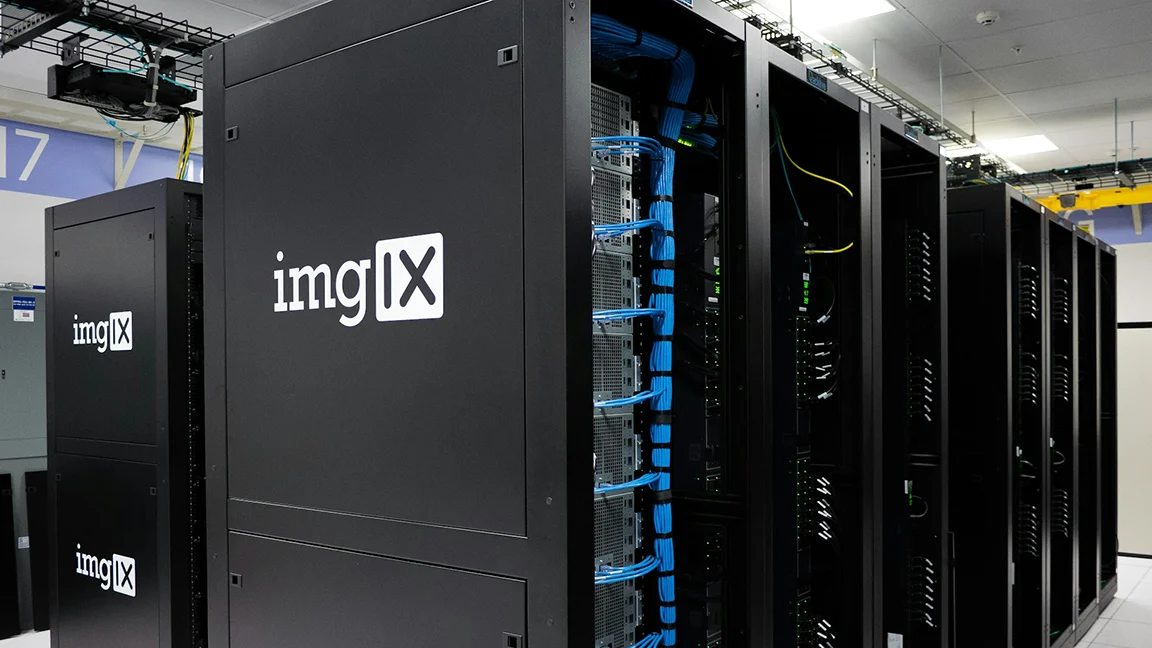
The infrastructure decision facing your business today will shape operations for years to come. On premises vs. cloud—this choice determines everything from your monthly IT budget to how quickly you can respond to market opportunities. Yet many organizations rush into cloud migration without fully understanding what they’re gaining and what